France has the best high-speed rail in Europe and some of its least accessible countryside. Getting the split right is the whole question.
Do not drive between cities
The TGV is faster and, booked three to eight weeks ahead, cheaper.
City driving means low-emission zones, expensive parking and one-way systems designed to keep you out.
Train between cities, rent in the region for the rural section. This is the efficient shape and it is what French people do.
Tolls
Roughly €8–10 per 100 km on the autoroute, ticket-based, paid at the exit.
Use lanes marked with a card symbol. Avoid the orange 't' télépéage lanes unless you have a transponder — reversing out of one with a queue behind you is a genuinely difficult manoeuvre.
The routes nationales are free, slower, and frequently more interesting.
Crit'Air
A vehicle emissions classification sticker required to enter low-emission zones in French cities, displayed on the windscreen.
French rental cars normally carry one — confirm at pickup.
Driving into a zone without the correct classification produces a fine, and the zones have expanded to more cities in recent years.
Where a car is necessary
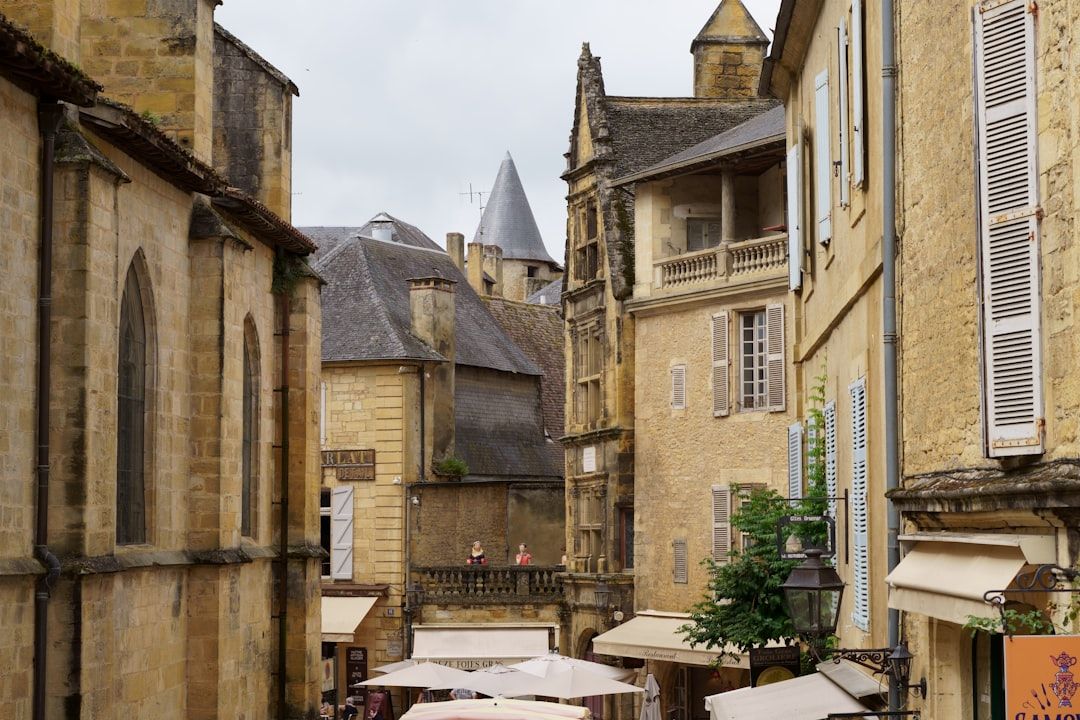
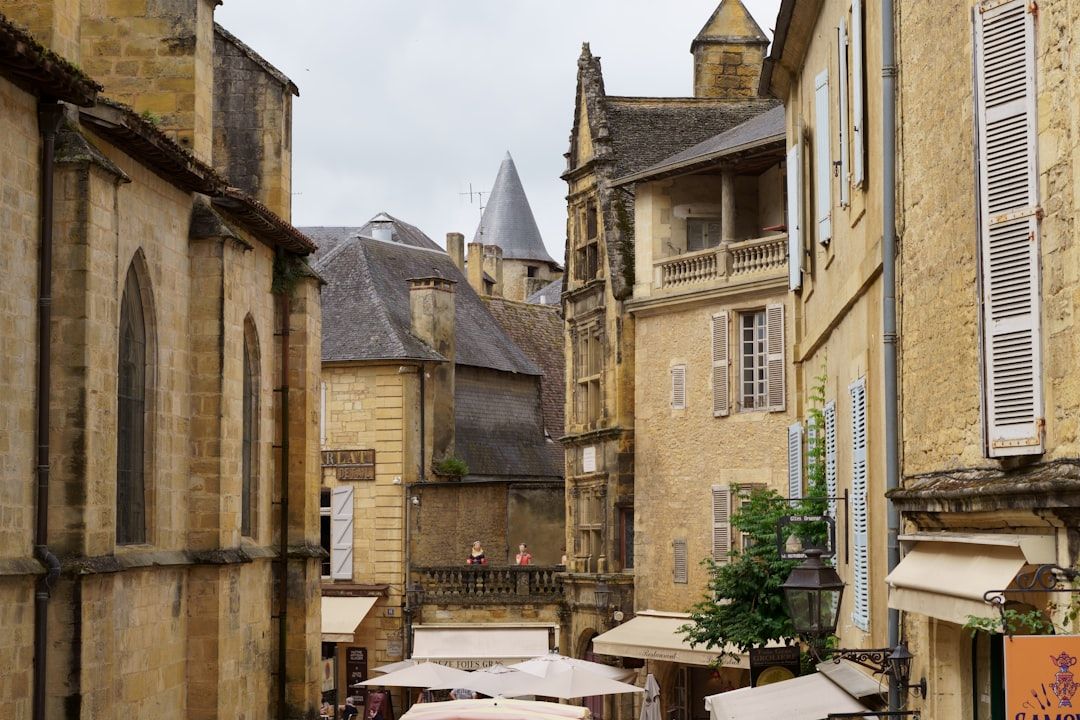
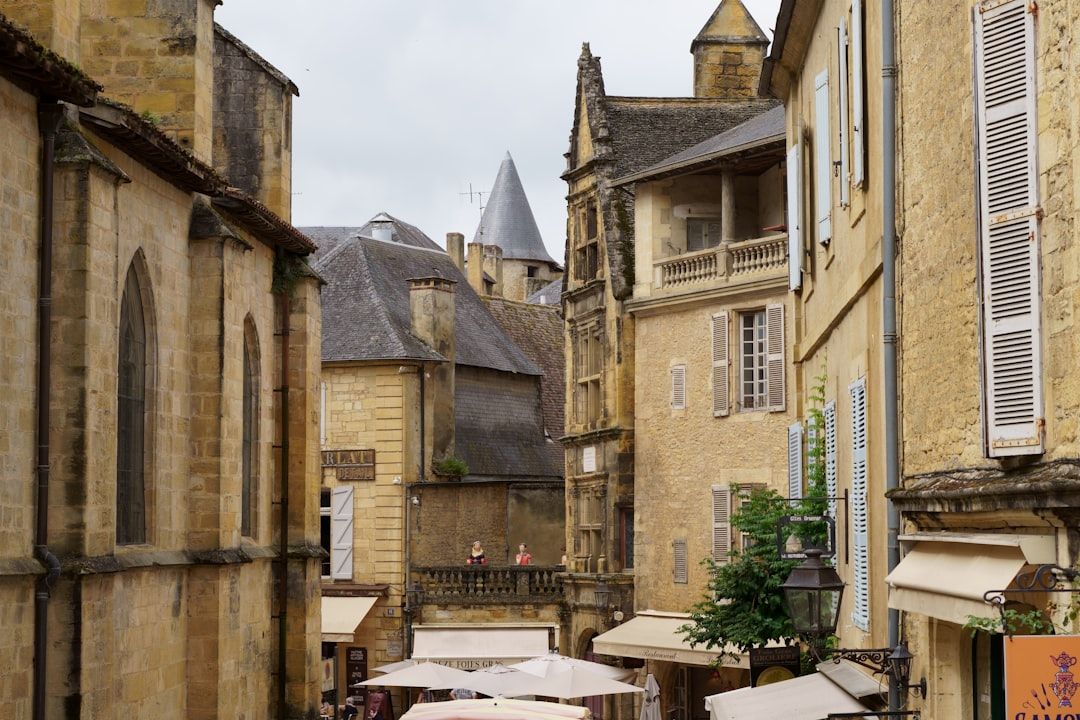
The Dordogne — castles, prehistoric caves at Lascaux and Font-de-Gaume, Sarlat's medieval centre, and villages along the river. Nothing is served usefully by public transport.
Provence's hill villages — the Luberon, Gordes, Roussillon, and the lavender plateau in July.
Brittany's coast — the GR34 runs the whole coastline and the road follows it.
The Loire châteaux, spread across a wide area.
Alsace's wine route — 170 km of villages between Strasbourg and Colmar, and one of the most concentrated drives in France.
The Auvergne — volcanoes, and the cheapest region in the country.
The Jura — gorges, waterfalls, and almost no visitors.
The routes that work as a week
| Route | Base |
|---|---|
| Dordogne loop | Sarlat |
| Luberon villages | Bonnieux or Gordes |
| Alsace wine route | Colmar |
| Brittany south coast | Vannes or Quimper |
| Auvergne volcanoes | Clermont-Ferrand |
| Corsica coastal loop | Ajaccio or Bastia |
Each is a base plus radiating day drives rather than a linear route, which suits French rural geography.
The two closures
Mid-August — rural France takes its own holiday and small businesses close for two to three weeks, at the peak of visitor season.
Sunday and Monday, year round, in small towns. Many shops shut Sunday and rural restaurants close Sunday evening and Monday.
Arriving in a small town on a Sunday evening in August is the worst combination and it happens constantly.
Practical
Rent from a regional airport — Lyon, Bordeaux, Toulouse, Marseille, Nantes — rather than driving out of Paris.
Village streets are narrow; a small car is genuinely easier.
Fuel at supermarket stations is cheapest, and some are unattended and card-only outside hours.
Priority to the right still applies at some unmarked rural junctions, which surprises foreign drivers.
May, June and September avoid both the August closures and the heat.