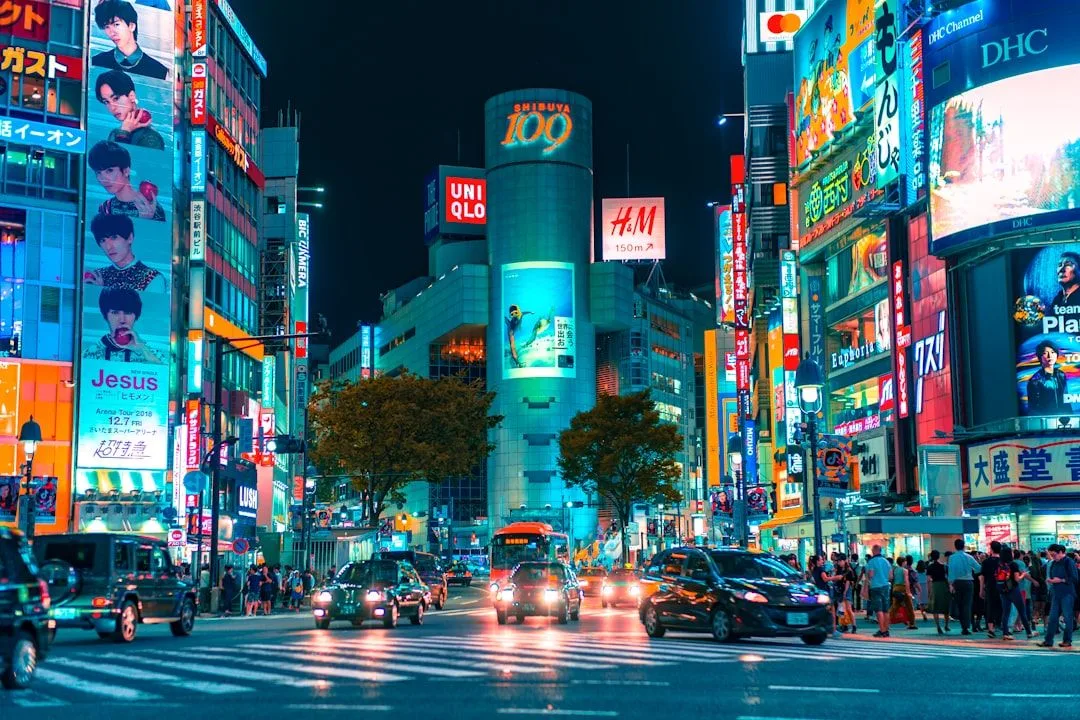
Japan's rail network is good enough that driving is usually worse. There are specific places where it is not, and knowing which they are is the whole point.
The paperwork
An International Driving Permit in the 1949 Geneva Convention format, obtained at home before travelling. It cannot be issued in Japan.
A few nationalities — Switzerland, Germany, France among them — need an official Japanese translation of their licence instead.
Without the correct document, rental is refused at the counter. This catches people out and there is no workaround.
Drive on the left.
Tolls and the ETC card
Expressway tolls are substantial — a few hundred kilometres can exceed several thousand yen.
Take the ETC card from the rental company, which automates payment. Manual payment lanes are slow and cash-heavy.
Expressway passes for foreign visitors — unlimited regional toll travel for a fixed price — are offered by several rental companies and pay off quickly on a multi-day route. Ask specifically; they are not always volunteered.
Where driving wins
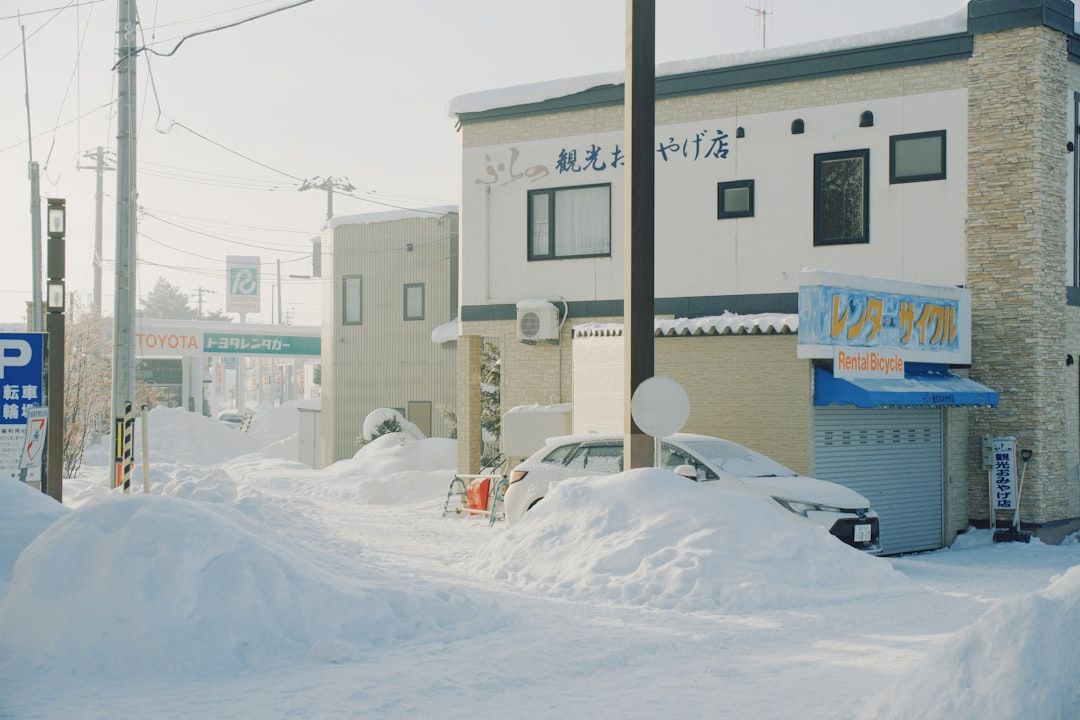
Hokkaido — the clearest case. Empty roads, long distances between towns, and the rail network covers a fraction of it.
Furano and Biei's rolling farmland, Daisetsuzan, the Shiretoko peninsula, and the coastal roads.
The Izu peninsula, two hours from Tokyo — a coastal road with onsen towns, the Jogasaki lava cliffs, and Shimoda at the tip. Rail serves the eastern coast only.
The Fuji Five Lakes — rail reaches Kawaguchiko and nothing else. Motosu and Shoji are quieter and have better views, and Fuji is visible far more reliably in winter.
The Boso peninsula, across the bay from Tokyo and almost entirely ignored.
Rural Nagano and the Alps — Norikura Skyline in summer, the onsen villages, and Shirakawa-go's thatched houses.
The Noto peninsula and the Japan Sea coast.
Where it does not
Between cities. Tokyo to Kyoto is 2h15 by shinkansen and six hours plus tolls by road.
Within cities. Parking is scarce and expensive, and the trains are better.
Kamikōchi, which is closed to private cars entirely — park at Hirayu and take the shuttle.
The car park thing
Mechanical locking plates rise under the vehicle after you park and lower only once you have paid.
You pay at a machine using the bay number before returning to the car. This is standard and confuses every first-time visitor.
Multi-storey car parks in cities frequently have height and width restrictions tighter than western equivalents.
Costs
| Item | Rough |
|---|---|
| Compact car, per day | ¥6,000–9,000 |
| Petrol, per litre | ¥165–185 |
| Tolls, Tokyo–Nagano | ¥6,000+ each way |
| Rural parking | Often free |
Practical
Do not rent in central Tokyo. Pick up at a suburban station or the airport.
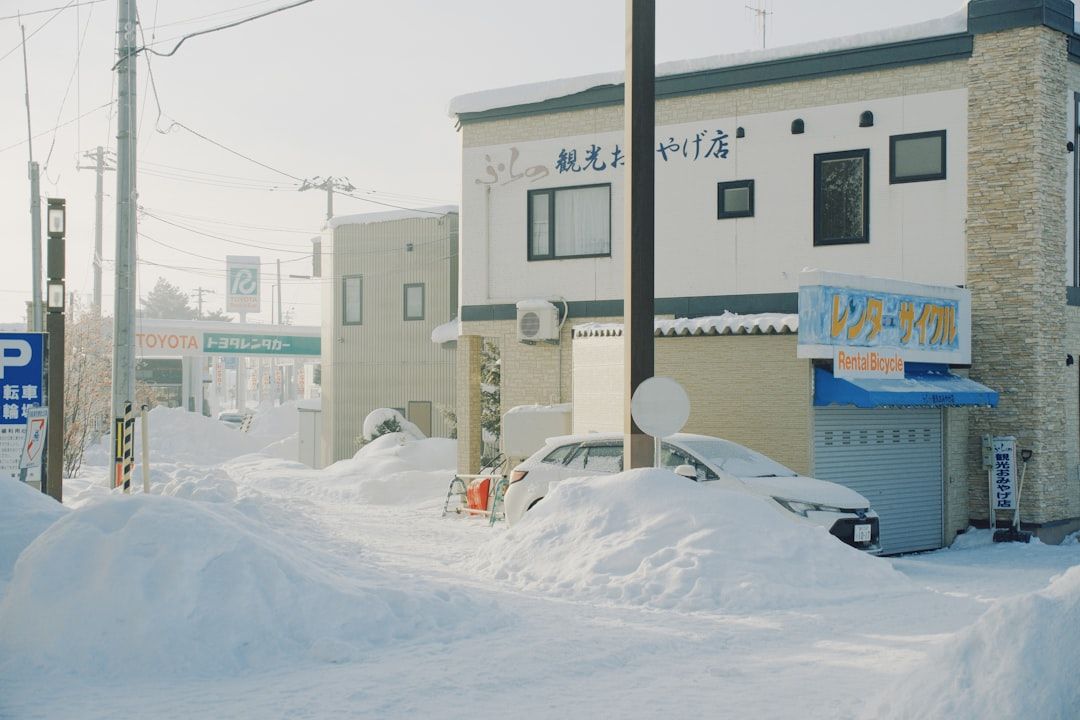
Snow tyres are standard on winter rentals in Hokkaido and the north, and are legally necessary.
Navigation in rental cars can usually be set by phone number or map code rather than address, which is far easier.
Speed limits are low and enforcement is present.
Convenience stores are everywhere and have clean toilets, which shapes how long drives work.