
Road trips divide into three kinds of driving, and they suit entirely different trips. Choosing the wrong kind is how people end up bored or exhausted.
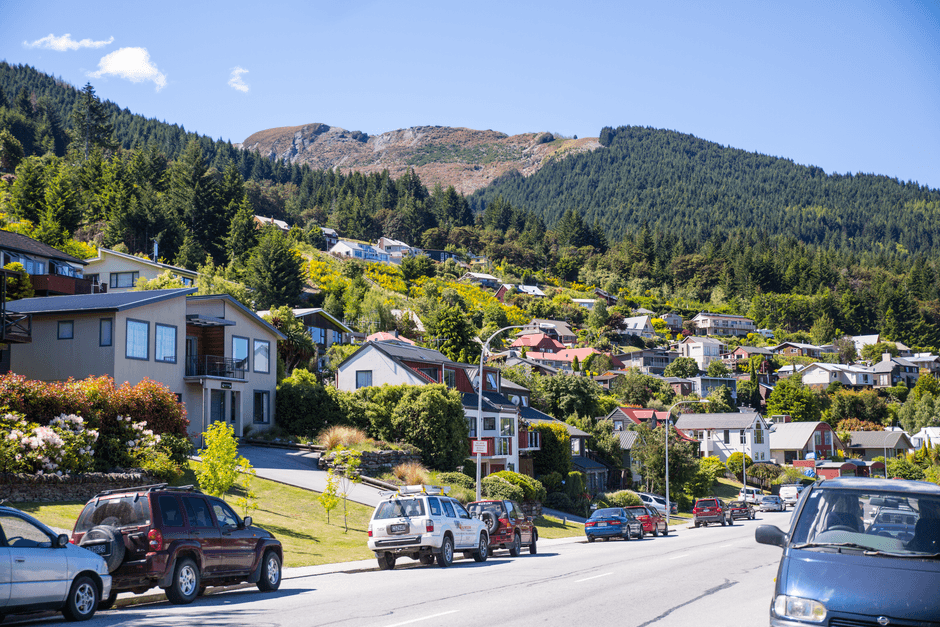
Distance-covering
Long straight roads where the driving is the transition between places rather than the point.
US interstates, Australian highways, the Nullarbor, Argentina's Ruta 40.
Suits: covering ground to reach specific destinations, podcasts, and people who genuinely enjoy driving.
Does not suit: anyone wanting to stop frequently, since there is often nothing to stop at for hours.
Six to eight hours a day is normal on these, and it is the trip's premise rather than a failure.
Slow and winding
Coastal and mountain roads that are slow by design.
California's Highway 1, the Amalfi Coast, Norway's fjord roads, the Great Ocean Road, Scotland's NC500.
Daily distances are roughly a third of what an equivalent highway allows, and that is correct.
Three to four hours of driving fills a day here, with stops.
Suits: anyone who wants the road itself to be the attraction.
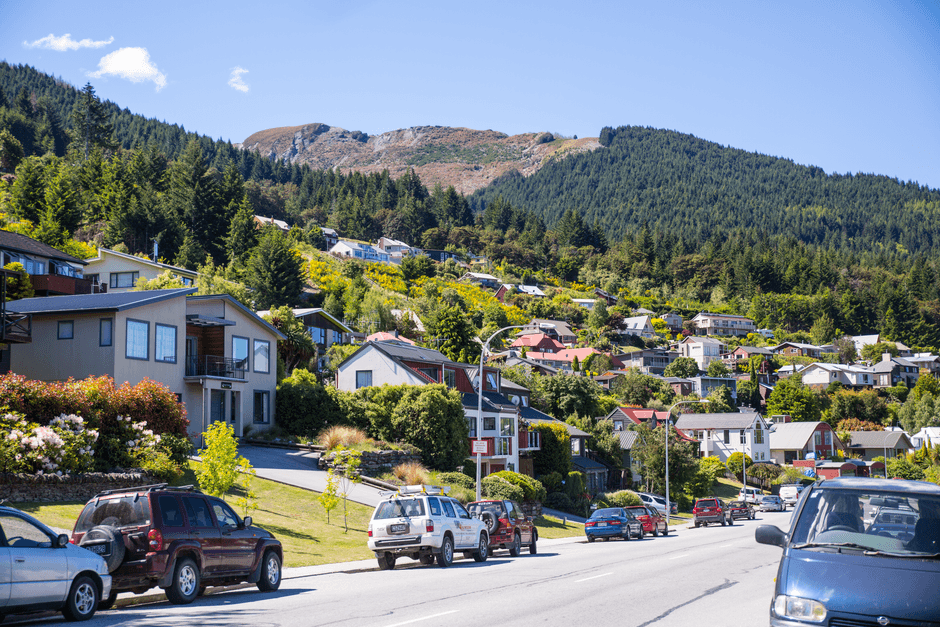
Loops
Return to the pickup point, which avoids one-way drop-off fees that can run to several hundred euros or dollars.
Iceland's Ring Road, the American southwest, Andalusia, the South Island of New Zealand.
The trade-off is retracing some ground, though good loops are designed so you do not.
Price both shapes before fixing an itinerary — the drop-off fee frequently decides it.
The seasonal constraint
Mountain routes close, and this catches out shoulder-season planning.
| Route | Typical closure |
|---|---|
| Alpine passes (Europe) | Oct/Nov to May/Jun |
| Icefields Parkway (Canada) | Open, but winter conditions |
| North Cascades Highway (US) | Nov to May |
| Trollstigen (Norway) | Roughly May to Oct |
| Iceland F-roads | Late Jun to Sep |
| Going-to-the-Sun Road (US) | Late Jun to Oct |
Check opening dates before booking flights around a specific road.
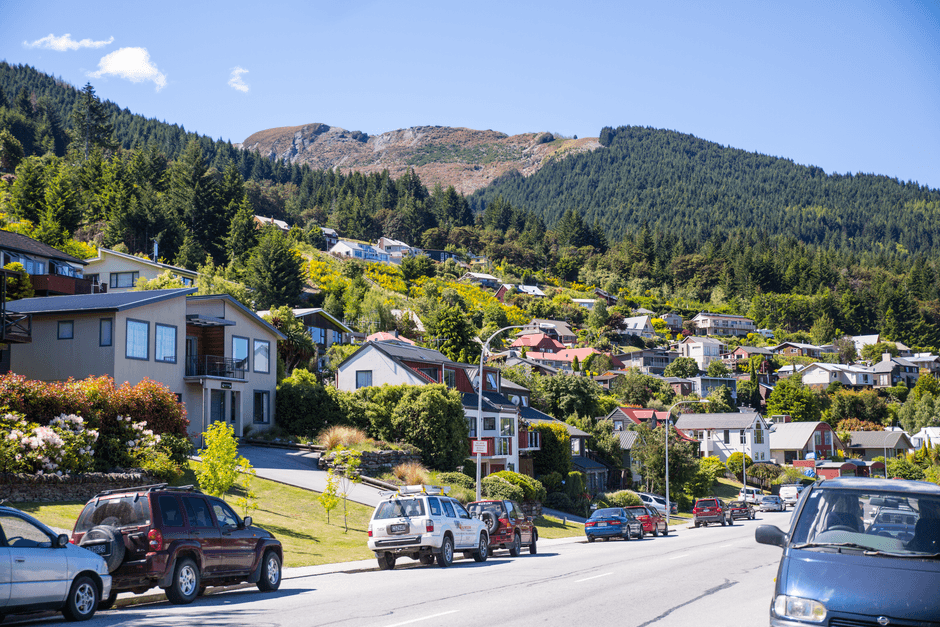
What makes a route good
Changing landscape. The southwest loop works because you go from red rock to canyon to desert to arch country in a week.
Something worth stopping at every couple of hours.
Accommodation spaced to match the driving days, which is a genuine constraint in remote regions.
Routes that fail are ones where the good parts are separated by long featureless stretches, and no amount of planning fixes that.
The universal practicalities
Four to five hours of driving is the comfortable daily limit if you also want to see things.
Book the first and last nights and leave the middle flexible where accommodation is plentiful.
Check the insurance your card provides against the rental company's, particularly on liability.
Download offline maps for anywhere remote.
Fill up at half a tank in sparsely populated country.