The largest unplanned cost on an Italian road trip is usually a camera fine that arrives six months after you get home, with an administration fee attached.
ZTL: the actual budget risk
Zona a Traffico Limitato — limited traffic zones covering most historic centres, monitored by cameras that fine any unauthorised vehicle automatically.
Penalties arrive at the rental company months later, and multiple passes through the same zone generate multiple fines. People have received several hundred euros of them from one afternoon.
How to avoid them:
Park outside the historic centre and walk in. That is what the zones exist to make you do.
Do not follow a navigation app into a centre. Most do not reliably know the zones and will route you straight through one.
Check hotel parking arrangements before driving to the door — hotels inside a ZTL can register your plate for access, but only if you tell them in advance.
The signs are white circles with a red border reading Zona a Traffico Limitato, with active hours listed. They are easy to miss at speed.
Tolls, and the free alternative
Roughly €7–9 per 100 km on the autostrada, ticket-based, paid at the exit.
The strada statale network is free, slower, and frequently more interesting — it goes through towns rather than around them.
Using SS roads instead of the autostrada is a legitimate way to cut the budget, and it changes the trip's character for the better.
Where to sleep cheaply
Agriturismo — working farms offering accommodation and frequently meals from their own produce, under a scheme that gives them tax advantages in exchange.
Common across rural Italy, considerably cheaper than hotels, and usually where a car makes the most difference — they are rarely reachable otherwise.
B&Bs and affittacamere in small towns.
Campsites, which in Italy frequently have cabins and bungalows.
Where a car is worth it
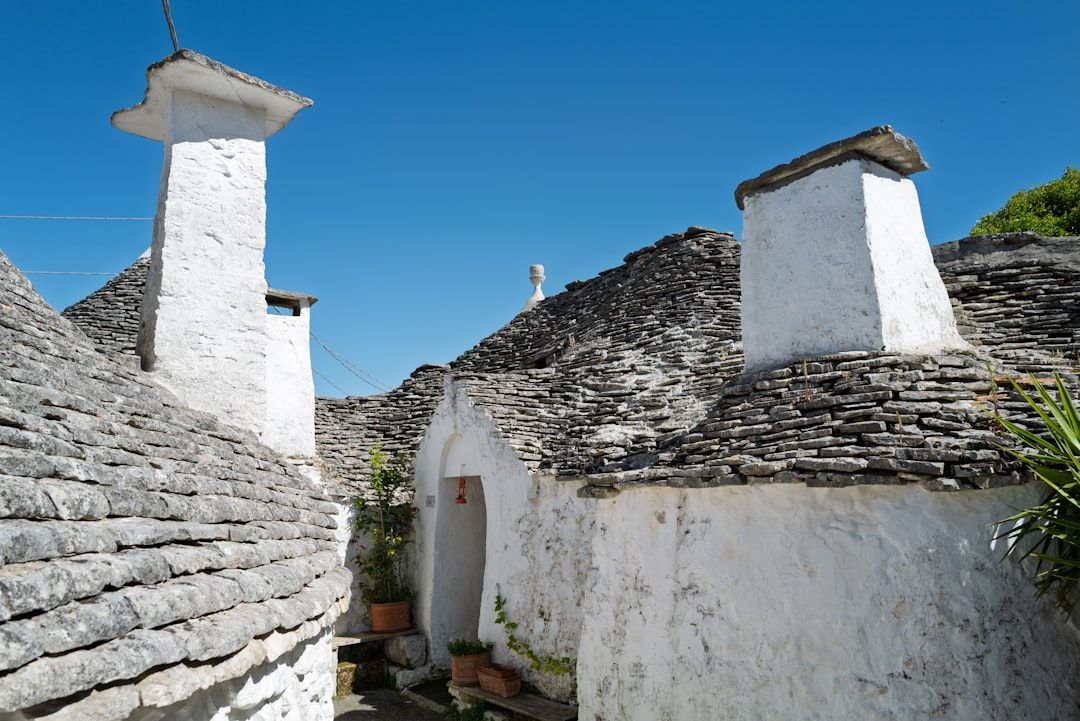
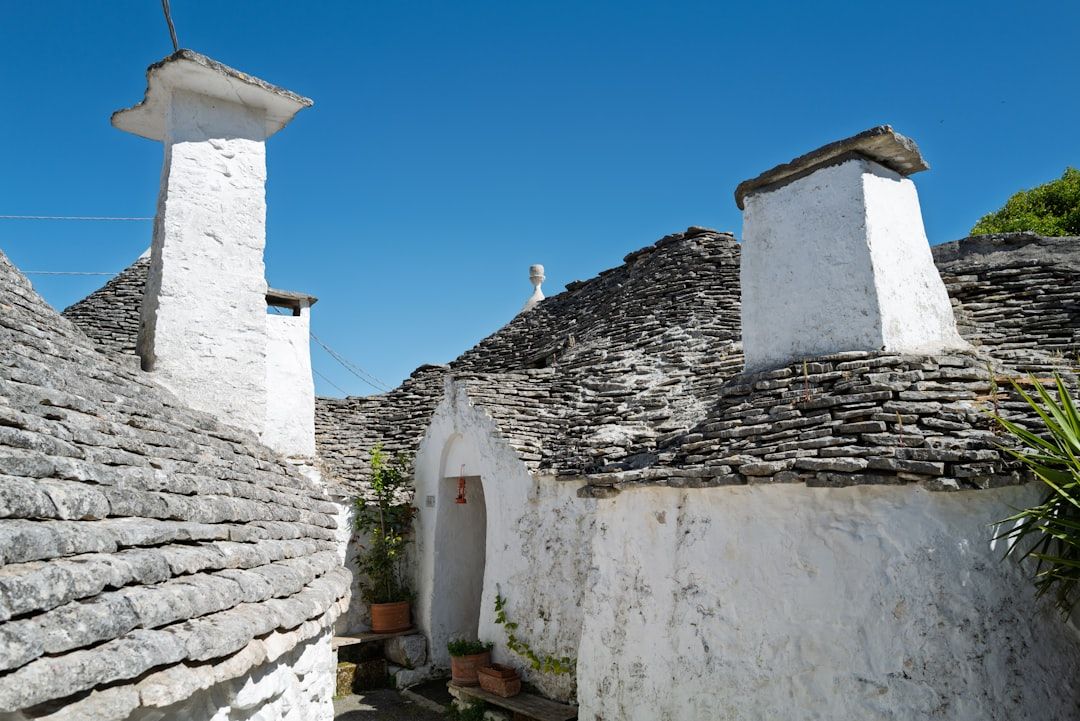
Puglia — Lecce, the Valle d'Itria's trulli, the Salento coast. Rail connects only the larger towns.
Tuscany's hill towns and Umbria.
Basilicata — Matera, and Maratea on the coast.
Sicily and Sardinia, both of which need one.
The Dolomites and the Alpine valleys.
Where it is not
Between cities. Rome–Florence is 1h30 by train and three hours plus tolls and parking by road.
Anywhere with a ZTL, which is every historic centre.
The efficient pattern: train between cities, rent for the rural section, collecting the car outside the centre.
A daily budget
| Item | Cheap |
|---|---|
| Agriturismo double | €50–80 |
| Fuel, 200 km | €20–25 |
| Lunch, pranzo di lavoro | €12–15 |
| Dinner, trattoria | €18–25 |
| Coffee standing | €1.20 |
Lunch is the cheap meal — the fixed-price weekday lunch costs roughly half the evening equivalent.
Pizza al taglio by weight, and alimentari shops making sandwiches to order, are the cheapest options anywhere.
Practical
Small car. Italian village streets and car parks are narrow.
Manual is the default; automatics cost more and must be booked.
Fuel — servito costs more than fai da te self-service at the same station.
Photograph the car at pickup, including the wheels, which is where Italian rental damage disputes concentrate.