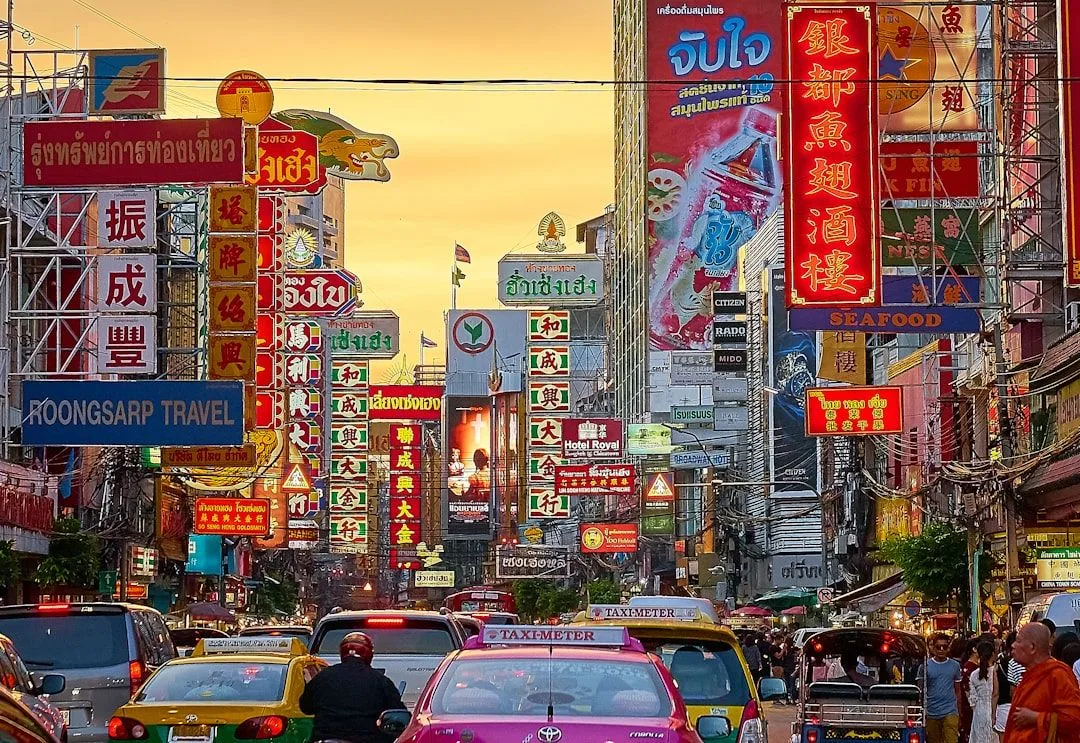
Thailand's roads are perfectly drivable. The problem is a piece of paper that most visitors do not have and that determines whether they are insured at all.
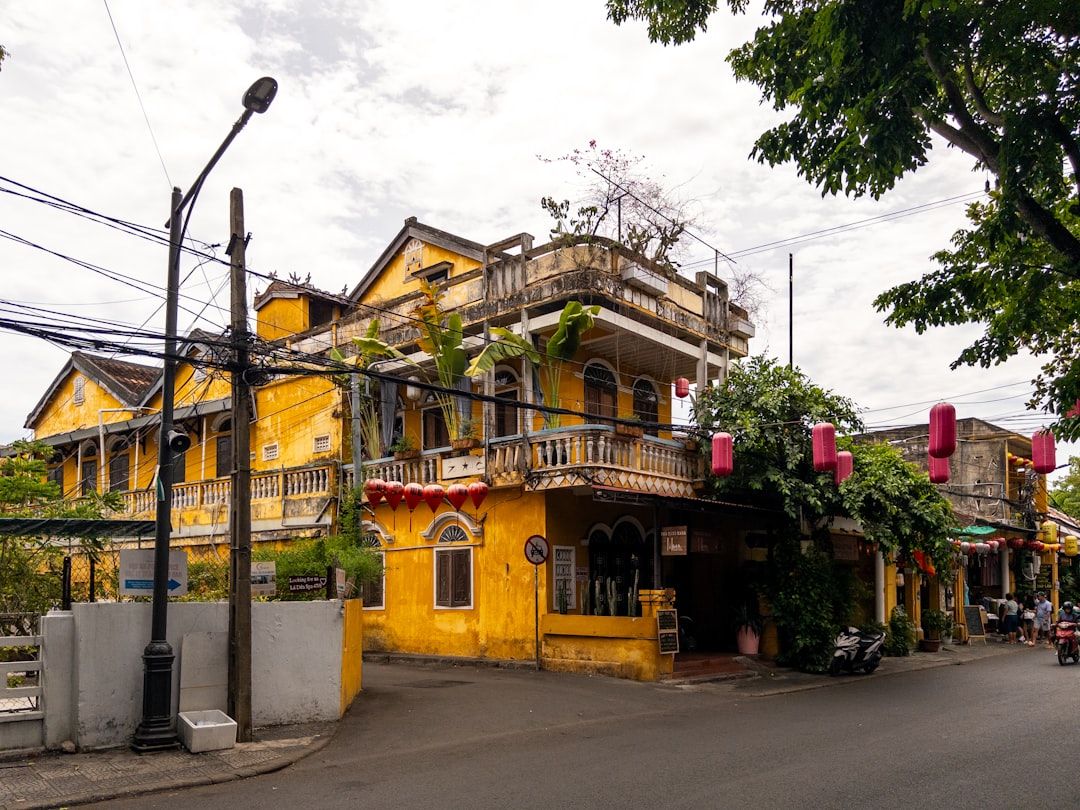
The licence and insurance problem
You legally need an International Driving Permit, and for motorcycles, the correct motorcycle category on it.
Almost all travel insurance voids cover for an accident without the right licence.
That means a hospital bill or an air ambulance paid personally, and Thai medical costs for a serious injury run into tens of thousands.
This is a financial question rather than a technicality, and rental shops will hire to you regardless — they are not the ones carrying the risk.
Scooters, specifically
Scooter accidents are the most common cause of serious injury to visitors in Thailand.
The risks are inexperienced riders, poor surfaces on the islands, gravel on bends, and other traffic behaving differently from what western drivers expect.
Never leave your passport as a deposit. It is a common request and a common lever in disputed damage claims — the passport is held until an inflated repair bill is paid.
Offer cash or a photocopy. Photograph the vehicle thoroughly from all angles before riding away.
Wear a helmet. Enforcement is patchy and physics is not.
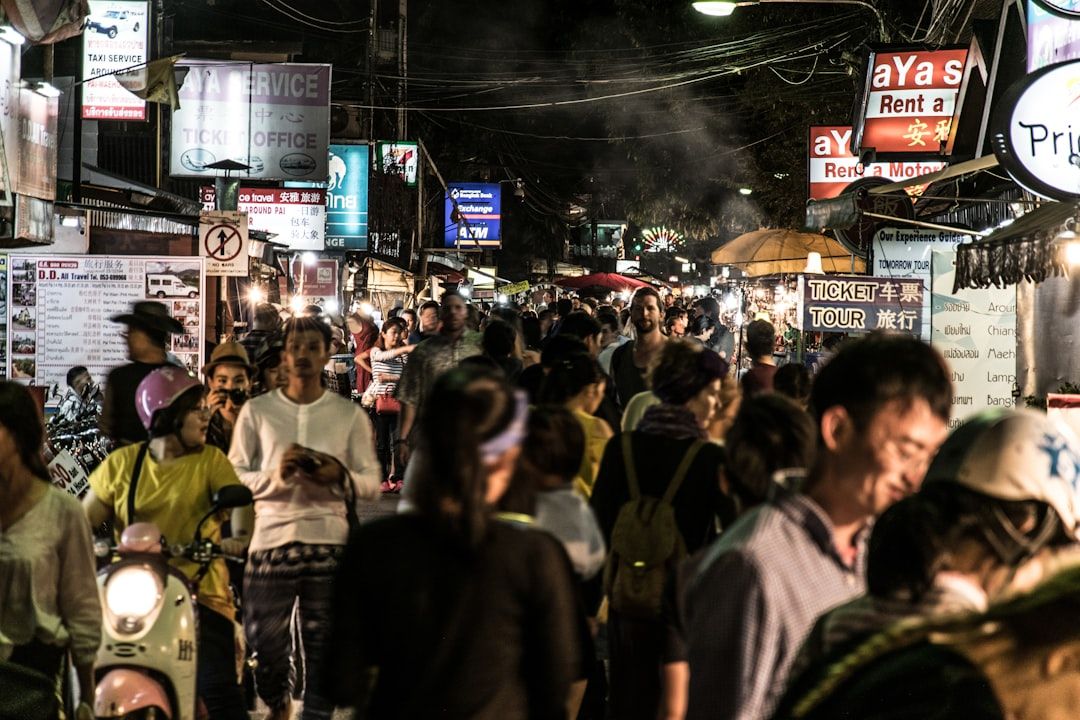
Cars, which are easier
Driving a car on Thai main roads is straightforward — good surfaces, clear signage in Thai and English, and reasonable traffic outside Bangkok.
Drive on the left.
International rental companies operate at the airports and provide proper insurance documentation.
Avoid driving in Bangkok, where the traffic is severe and the BTS and MRT are better.
The Mae Hong Son loop
The route worth driving in Thailand.
Roughly 600 km from Chiang Mai through Pai, Mae Hong Son and Mae Sariang, with a widely quoted 1,860 curves on mountain roads.
Four to seven days. One of the great motorcycling routes in Asia, and equally good by car.
November to February is the season — dry, cool, and clear.
Stops: hot springs, waterfalls, hill villages, the Pai canyon, and the long descent to Mae Sariang.
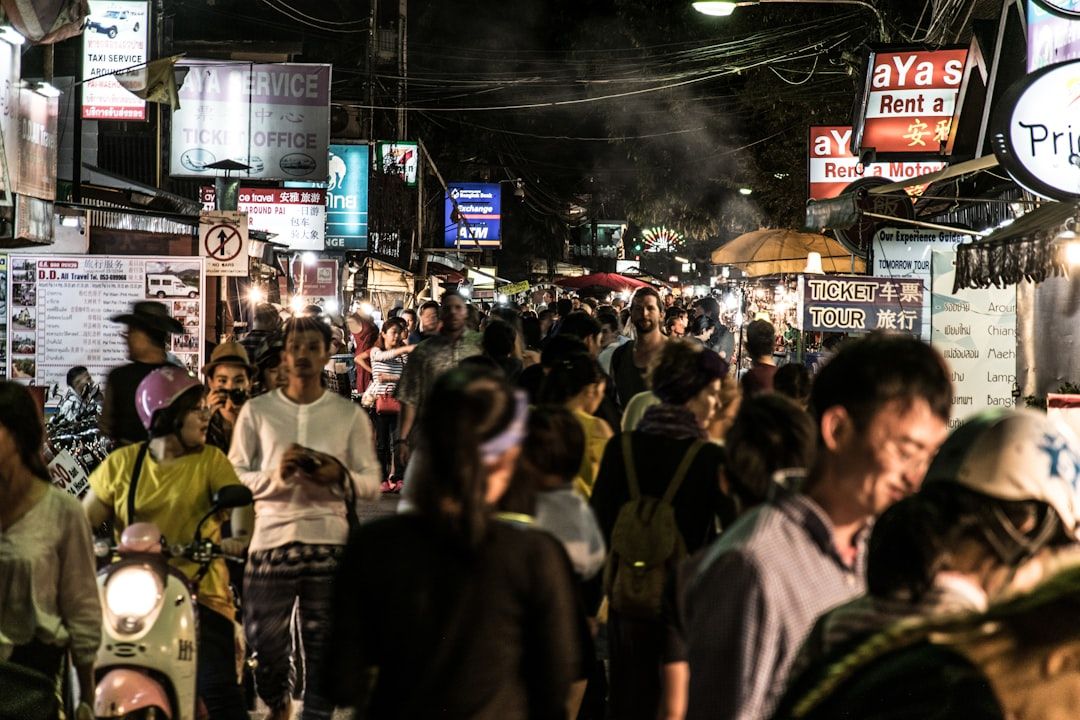
The other routes
The Golden Triangle — Chiang Rai, the Mekong, and the borders with Laos and Myanmar.
Kanchanaburi to Sangkhlaburi — the river, Erawan Falls, and a road that gets progressively remoter.
The Isan loop in the northeast — Khmer temples, the Mekong, and almost no visitors.
The Andaman coast from Phuket south through Krabi and Trang.
Season
| Period | Conditions |
|---|---|
| Nov–Feb | Cool and dry — the season |
| Mar–May | Hot; northern burning season affects air quality |
| Jun–Oct | Wet; mountain roads slippery, landslides possible |
Burning season in the north, roughly February to April, can make air quality in Chiang Mai and the mountains genuinely poor.
Practical
Fuel is widely available and attended.
Night driving on rural roads is best avoided — unlit vehicles, animals and poor visibility.
Police checkpoints are routine; carry your licence, IDP and rental documents.
Song thaews and buses cover most routes cheaply if you decide against driving, and the Mae Hong Son loop can be done by public transport over a week.