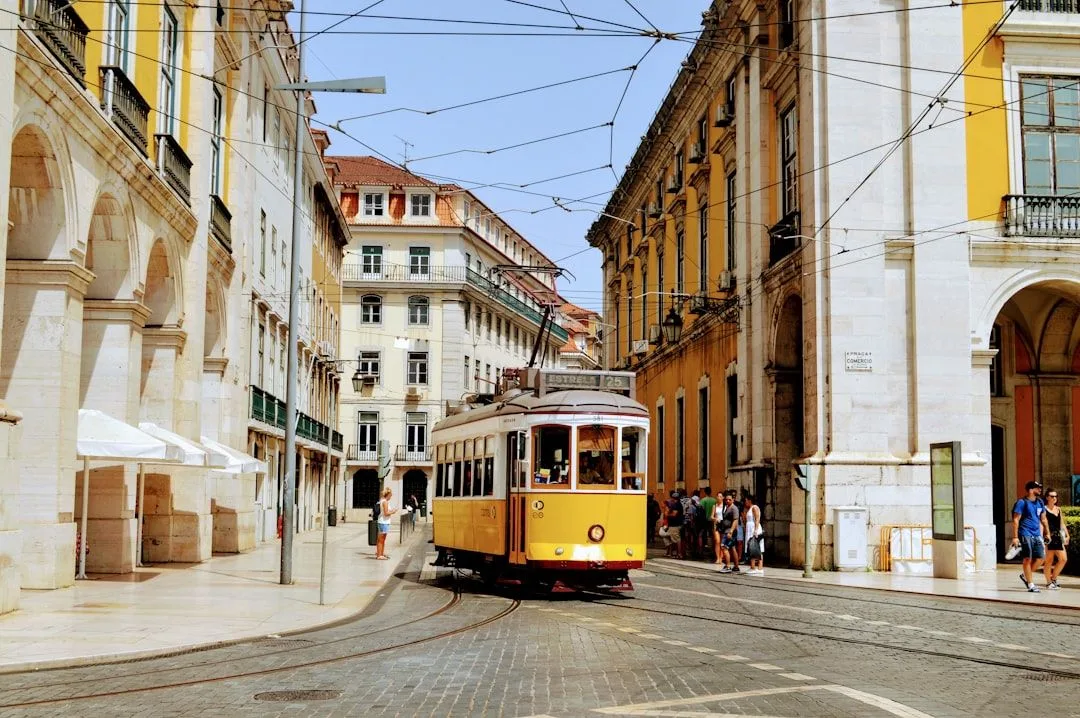
Portugal's roads are good and its toll system is the thing that trips people up, because some motorways have no way to pay on them at all.
The electronic-only tolls
Several Portuguese motorways have no booths. They charge by gantry using number plate recognition.
For a foreign vehicle with no transponder, there is no obvious way to pay as you drive — and unpaid tolls generate fines.
The solution: take the transponder the rental company offers. It costs a small daily fee and removes the problem entirely.
The alternatives involve registering a card against the plate or paying at post offices within a limited window after travelling, and both are considerably more effort than the fee saved.
Conventional toll roads with booths also exist, which is why the system confuses people — both types are in use.
The N roads
The old national roads, free, slower, and frequently better.
The N2 runs roughly 740 km from Chaves in the north to Faro in the south, crossing the entire country through mountains, wine country and the Alentejo.
It has become a recognised road trip route with its own signage and passport-stamping culture, and it takes about a week.
The N222 along the Douro is frequently cited as one of the best driving roads in Europe, following the river through the terraced vineyards.
Where to drive
The Douro valley — the N222, the quintas, and the terraces. Note the drink-driving limits if tasting.
The Alentejo — empty, with walled Évora, Monsaraz on its hill, and long straight roads through cork oak.
The Algarve's west coast around Sagres and the Costa Vicentina, which is wilder and emptier than the resort strip.
Peneda-Gerês in the far north — mountain roads, waterfalls and wild horses.
Serra da Estrela — glacial valleys and the highest road in mainland Portugal.
Where not to
Lisbon and Porto. Both are hilly with narrow streets, limited parking and restricted zones.
Use a car park on the edge and public transport in. Neither city needs a car.
Lisbon's calçada paving is slippery in rain, and the hills are steeper than they look on a map.
Road conditions
Motorways are good.
Rural roads in the north and interior are narrow and winding, with sharp bends and occasional poor surfaces.
Portugal has had one of the higher road fatality rates in western Europe, and defensive driving is worth the habit — particularly regarding overtaking on rural roads.
Speed cameras are present and fines are enforced across the EU.
Season
| Period | Notes |
|---|---|
| Apr–Jun | Best — green, warm, quiet |
| Jul–Aug | Hot inland, Algarve at capacity |
| Sep–Oct | Excellent, Douro harvest |
| Nov–Mar | Mild in the south, wet in the north |
Fire season, roughly July to September, can close roads in forested areas at short notice. Check before driving into wooded interior regions in those months.
Practical
Take the transponder. This is the single most useful thing to know.
Full-to-full fuel policy, as everywhere.
Rent at Lisbon, Porto or Faro airports rather than in the cities.
Fuel is more expensive than Spain — filling up across the border is common practice.