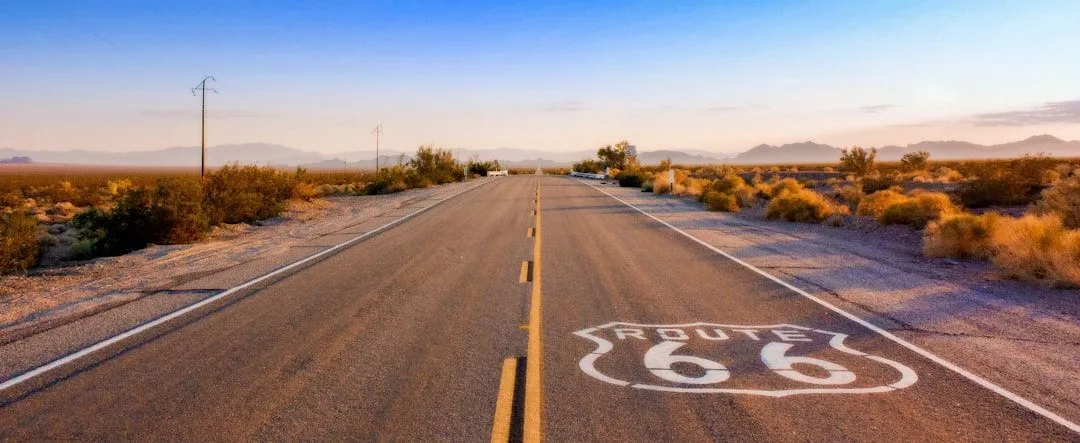
Scotland's Highland driving is defined by single-track roads with passing places. Understanding how they work is most of what makes the trip pleasant rather than fraught.
Passing place etiquette
The vehicle nearer a passing place gives way.
Pull into one on your left, or stop opposite one on your right to let oncoming traffic through — you do not cross into a passing place on the wrong side.
They are also used to let faster traffic past. If a local is behind you, pull in. They are going to work.
A raised hand in thanks is standard and universal.
Never park in a passing place, even briefly for a photograph. This is the single most complained-about behaviour on these roads.
The NC500
An 830 km loop from Inverness around the northern Highlands and back.
Seven days as a reasonable minimum; five is rushed.
The roads are slow — much of the west coast is single track — and treating it as a fast circuit is what caused genuine friction with local communities in its early years.
The route is a marketing construct laid over roads that existed. It works well; the crowding it created is real.
The road that needs mentioning
Bealach na Bà to Applecross — the steepest ascent of any road in Britain, single track with hairpins and no barriers, climbing over 600 metres.
Not suitable for large vehicles or caravans, and it closes in snow.
There is an easier coastal road to Applecross from the north, which is longer and also beautiful.
The route's highlights
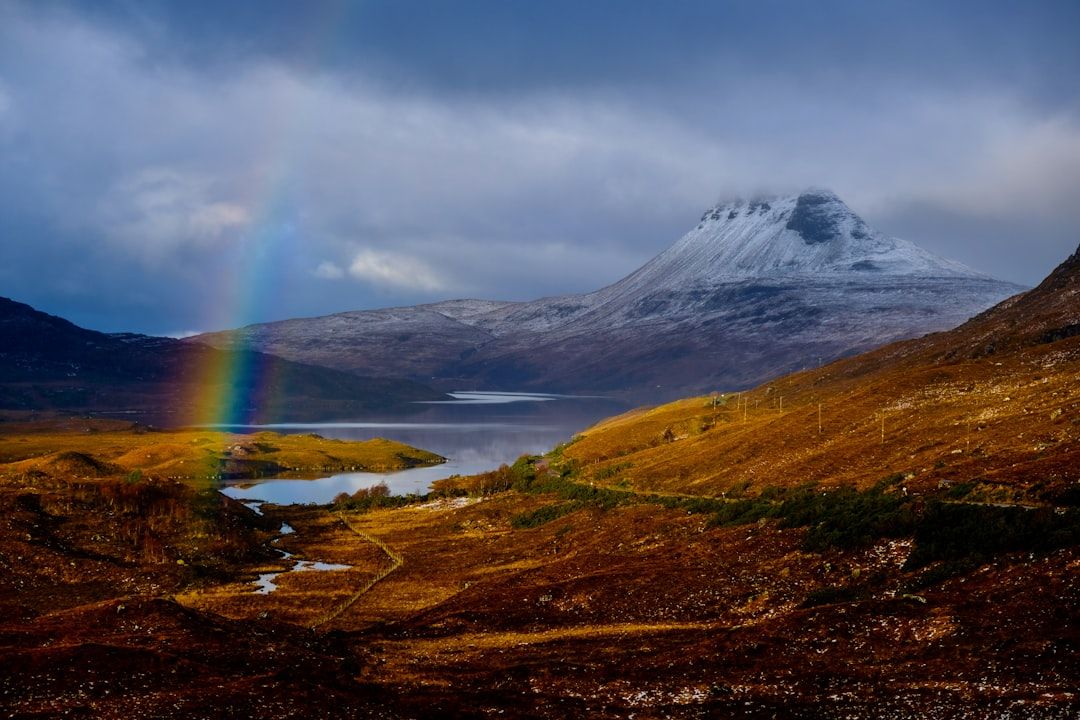
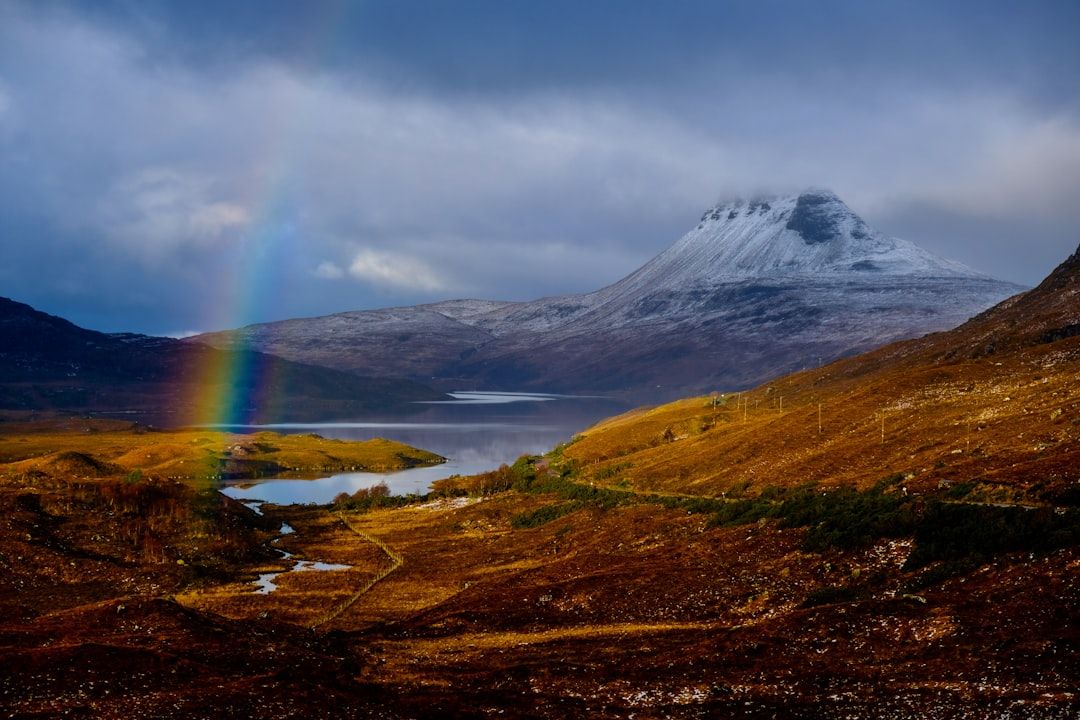
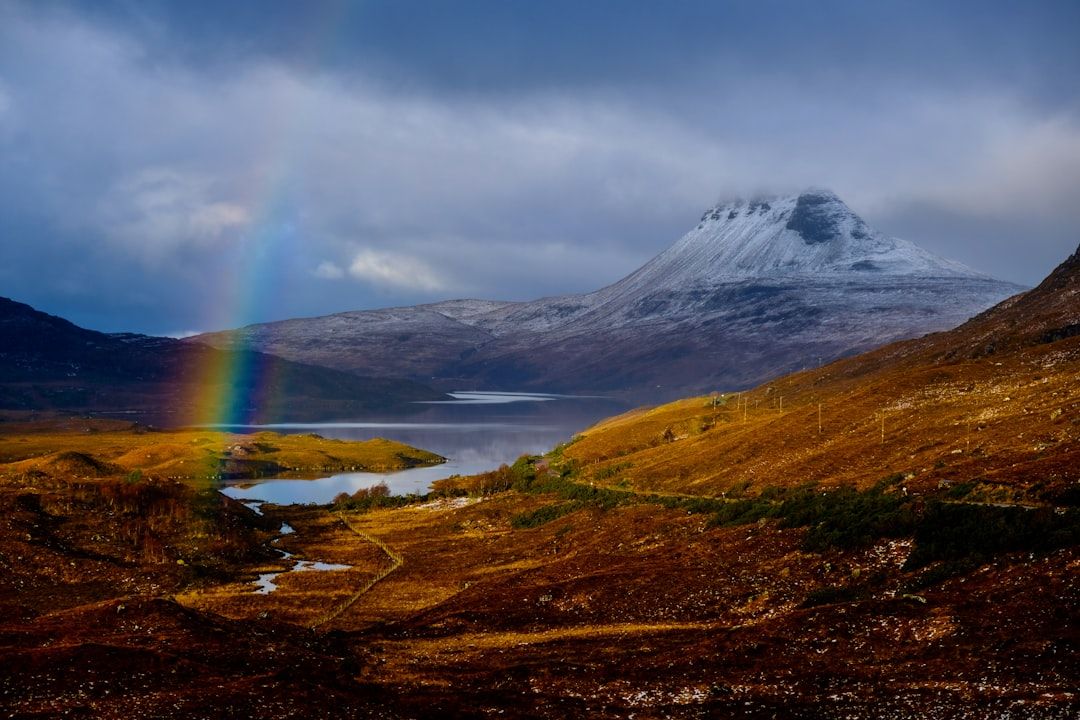
The west coast — Applecross, Torridon, Gairloch, Ullapool, and the Assynt landscape with Suilven and Stac Pollaidh rising as isolated peaks.
The north coast — Durness, Smoo Cave, the beaches at Balnakeil and Sandwood Bay, which is a four-mile walk in and is worth it.
The east coast — Dunrobin Castle, and faster roads back to Inverness.
The Bealach detours and the single-track roads off the main loop, which are where the emptiness is.
Midges
Roughly late May to September, peaking in July and August.
Worst in still, damp conditions at dawn and dusk. Wind and bright sun keep them down.
Repellent and a head net make outdoor evenings possible. They do not bite through clothing, and they are a genuine consideration rather than a joke — they can end a camping trip.
Practical
Fuel gaps in the northwest are real, and some stations close on Sundays and in the evening. Fill at half a tank.
Book accommodation ahead, particularly May to September — the villages are small and the route is popular.
Wild camping is legal in Scotland under access legislation, with responsibilities: away from roads and buildings, no fires in dry conditions, leave no trace. Roadside campervan parking is a different thing and is not covered by it.
Weather changes constantly. Four seasons in a day is accurate.
Drive on the left, and note that the roads are narrower than the map colour suggests.
Beyond the NC500
Glencoe and the Road to the Isles to Mallaig.
Skye, which is beautiful and heavily congested in summer.
The Outer Hebrides by ferry, with the beaches on Harris and a fraction of the traffic.