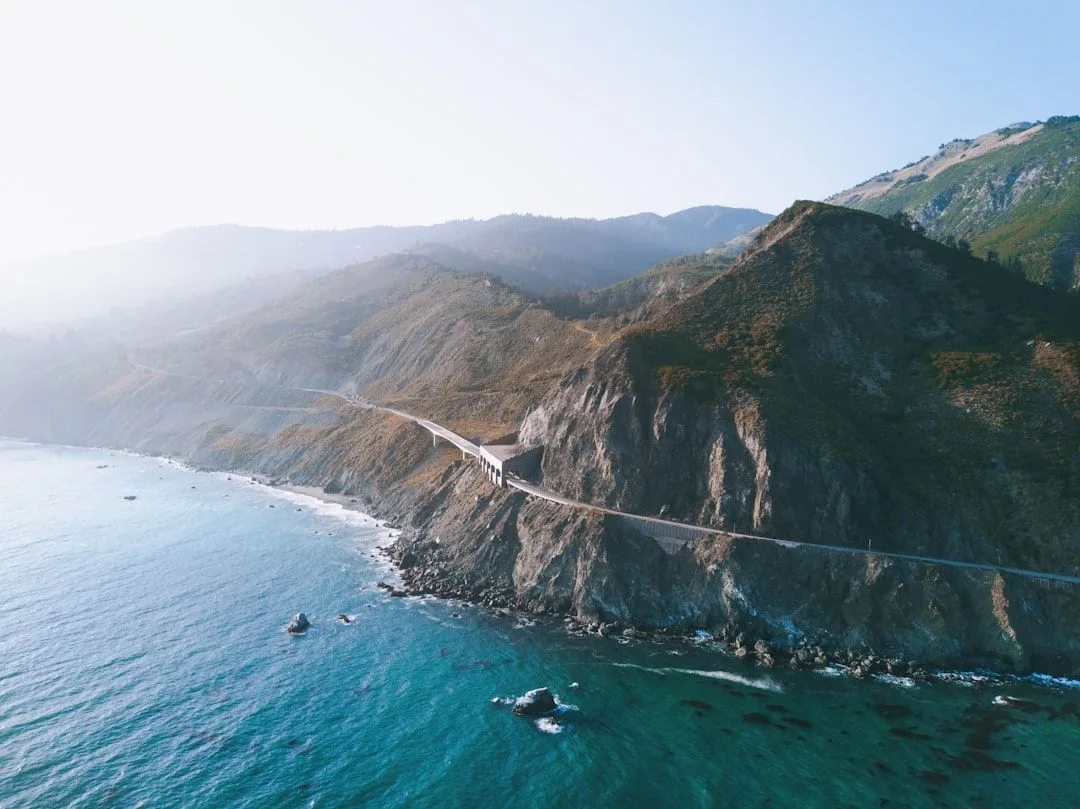
Andalusia's countryside needs a car and its cities punish you for bringing one. Getting the split right is most of the planning.
The low-emission zone problem
Spanish cities above a certain size have been required to introduce low-emission zones, with camera enforcement and automatic fines.
Seville, Málaga, Córdoba and Granada all have restrictions of some form, and the rules and boundaries change.
Park outside the centre and walk in. Underground car parks on the edge of the old towns are the standard solution, and most hotels will advise which one.
Fines arrive at the rental company months later with an administration fee attached.
Cities by train, countryside by car
Seville, Córdoba and Granada are connected by high-speed rail — Seville to Córdoba is 45 minutes.
Driving between them saves nothing and creates parking problems.
Pick the car up when you leave the cities, for the villages and the mountains.
The white villages
A loop through the hill villages of Cádiz and Málaga provinces, on winding mountain roads.
Arcos de la Frontera, on a cliff above the river.
Grazalema, in the Sierra de Grazalema — the wettest place in Spain, which is why it is green.
Zahara de la Sierra, above a reservoir.
Setenil de las Bodegas, where houses are built into and under an overhanging rock shelf.
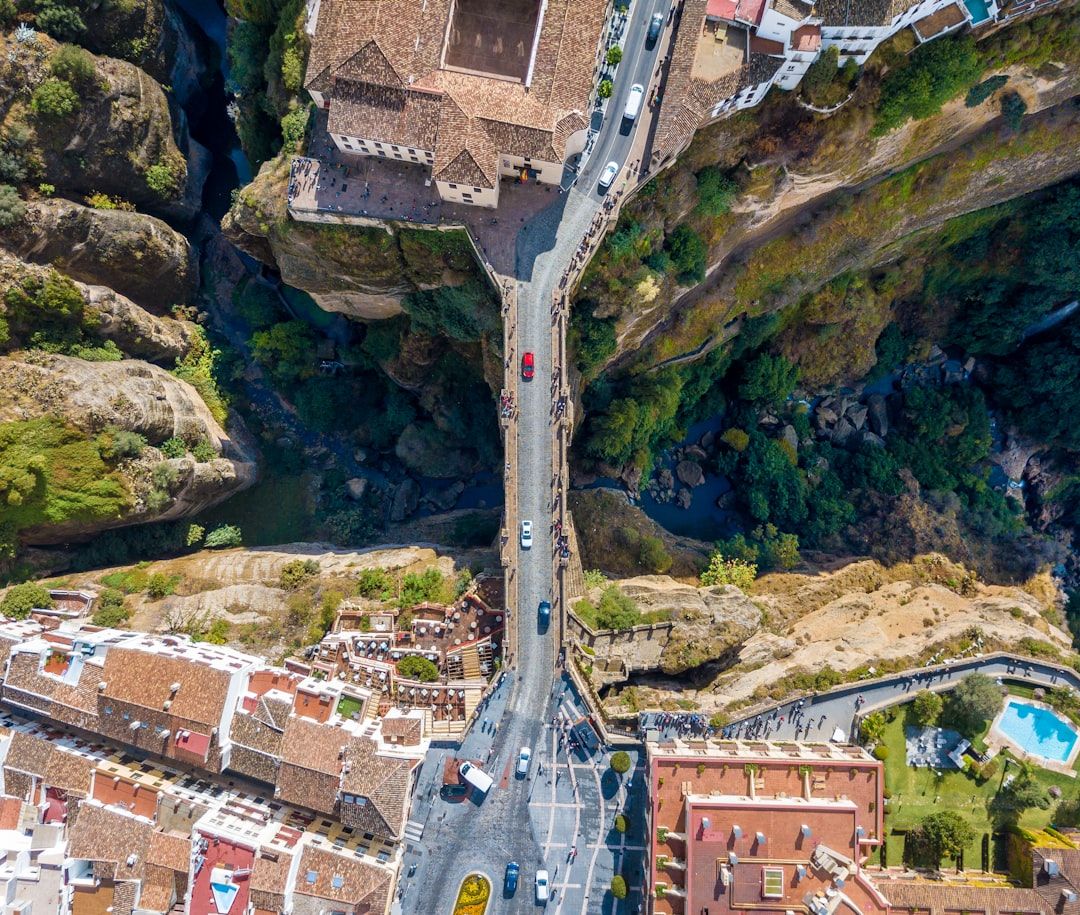
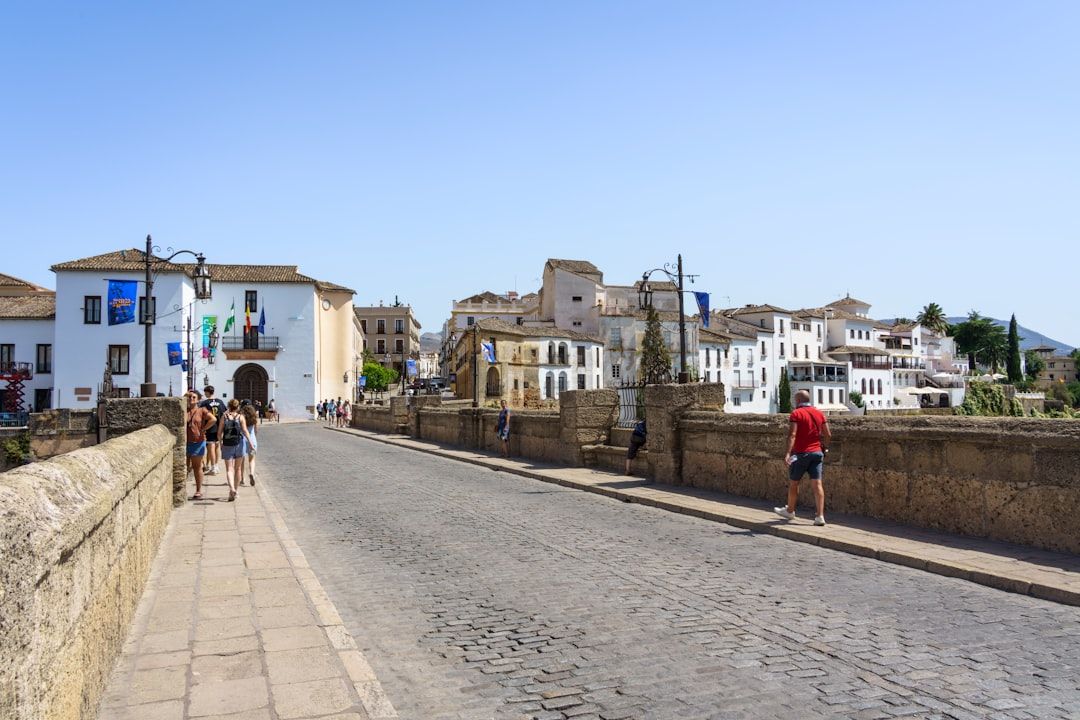
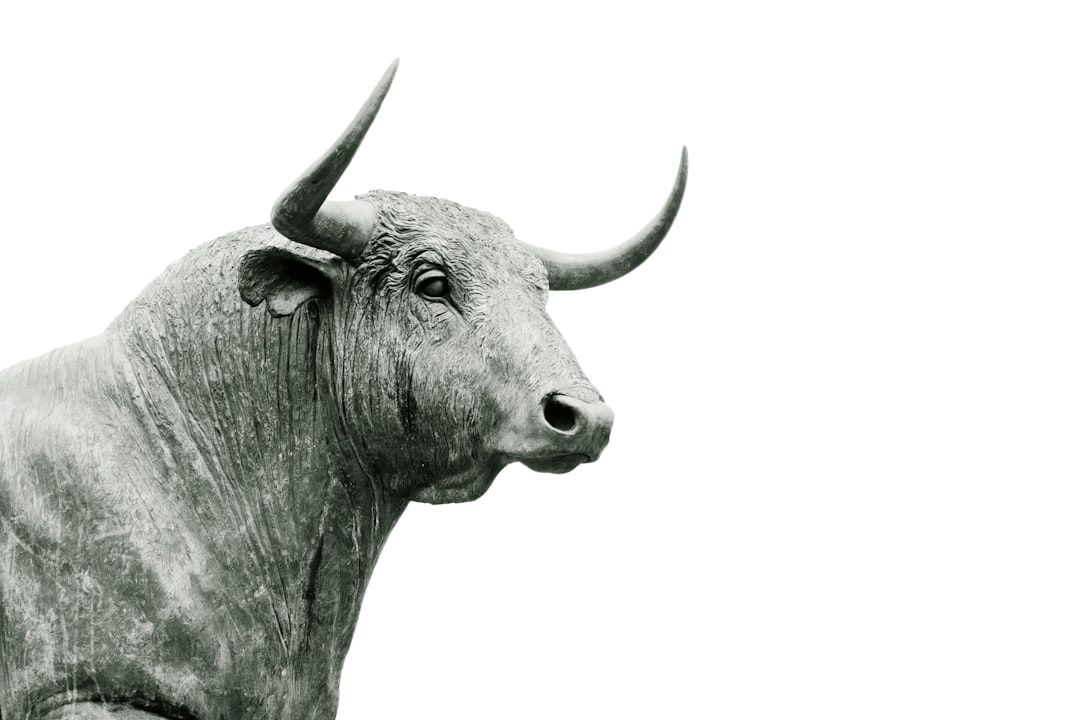
Ronda — the gorge, the eighteenth-century bridge across it, and the oldest bullring in Spain.
Three to four days for the loop, based in one or two of them.
The Alpujarras
The southern slopes of the Sierra Nevada, above Granada.
Pampaneira, Bubión and Capileira, stacked up one valley, with flat-roofed Berber-influenced architecture unlike the rest of Andalusia.
Walking paths between the villages, and a road that climbs high enough to feel alpine.
The Sierra Nevada road is the highest in Europe and reaches a ski area an hour from the coast.
The coast and the empty parts
Cabo de Gata in Almería — a volcanic natural park with clear water and, unusually for the Spanish Mediterranean, almost no development.
The Costa de la Luz on the Atlantic — Tarifa, Bolonia's Roman ruins and dune, and beaches that are windy and empty.
Doñana, the wetland national park, for birds.
Seasons
| Period | Conditions |
|---|---|
| Mar–Jun | Best — green, warm, wildflowers |
| Jul–Aug | Over 40°C inland; avoid |
| Sep–Oct | Excellent |
| Nov–Feb | Mild, green, villages quiet, some closures |
Semana Santa and the Seville feria fill accommodation months ahead and make driving in the cities impossible.
Practical
Mountain roads are slow — 60 km can take ninety minutes.
Book the Alhambra weeks ahead, regardless of how you travel.
Village streets are narrow; a small car is genuinely easier.
Fuel is widely available; rural stations may close at lunch and on Sundays.